

Neuromuscular therapy is not just massage.
It’s not just relaxation.
It’s not temporary relief.
The main benefit of neuromuscular therapy is restoring proper communication between your nervous system and your muscles.
When that communication is disrupted, pain develops. Muscles tighten. Movement becomes restricted. Compensation patterns build.
Neuromuscular therapy addresses the root of that dysfunction — not just the surface tension.
Let’s break down what that means and how neuromuscular pain develops in the first place.
Understanding Neuromuscular Pain
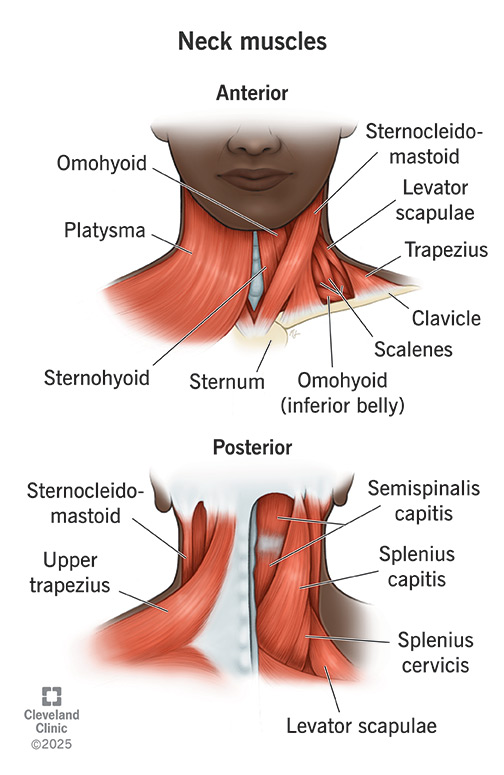
Your muscles and nervous system work together constantly.
The brain sends signals.
Muscles respond.
Joints move.
When muscles become chronically tight, overused, or stressed, they can develop trigger points — localized areas of tension that create pain either at the site or in referred areas.
This is neuromuscular pain.
It’s often misunderstood because it doesn’t always show up clearly on imaging.
But it’s very real — and very treatable.
Common Causes of Neuromuscular Pain
Neuromuscular pain rarely appears without a pattern behind it.
Some of the most common contributors include:
1. Repetitive Movement
Typing, lifting, training, driving — repeated motion builds tension.
2. Postural Imbalance
Forward head posture, rounded shoulders, prolonged sitting.
3. Stress
Chronic stress increases muscle guarding, especially in the neck and shoulders.
4. Previous Injury
Scar tissue and compensation patterns alter muscle firing.
5. Muscle Imbalances
Weak stabilizers force other muscles to overwork.
Over time, tension becomes chronic.
The nervous system begins to treat tightness as “normal.”
Pain becomes persistent.
Symptoms of Neuromuscular Pain
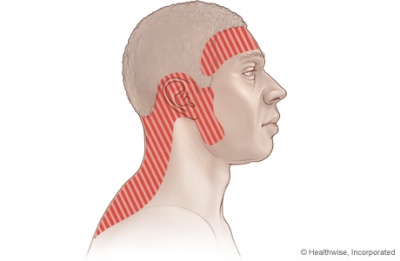
Common symptoms include:
- Persistent muscle tightness
- Trigger point tenderness
- Headaches originating from neck tension
- Shoulder or upper back discomfort
- Reduced range of motion
- Radiating muscular discomfort
Unlike acute injuries, neuromuscular pain often builds gradually.
It may feel like constant tension that never fully resolves.
The Main Benefit: Resetting the System
Neuromuscular therapy works by:
- Releasing trigger points
- Restoring blood flow
- Reducing nerve irritation
- Improving muscle activation patterns
When properly applied, it helps the nervous system recalibrate.
Muscles stop guarding unnecessarily.
Movement becomes smoother.
Pain signals decrease.
But here’s the key — treatment is only part of the process.
Long-term results come from combining release work with movement correction and strengthening.
Why Early Treatment Matters
The longer neuromuscular pain persists, the more compensation patterns develop.
Early intervention helps:
- Prevent chronic stiffness
- Restore balanced movement
- Reduce stress-related muscle guarding
- Improve posture
Addressing the root cause prevents recurring flare-ups.
Ready to Restore Balance?
If chronic muscle tension or trigger point pain has been limiting you, neuromuscular therapy may be the missing piece.
At Castrell Neuromuscular Therapy, treatment focuses on identifying dysfunctional patterns and restoring muscular balance.
Book a free Discovery Visit (DV) today to assess your symptoms and begin restoring healthy muscle function.